
This is part of a larger project I am working on. These are just raw reactions to the text as I read it. For the final discussion, check out my Substack.
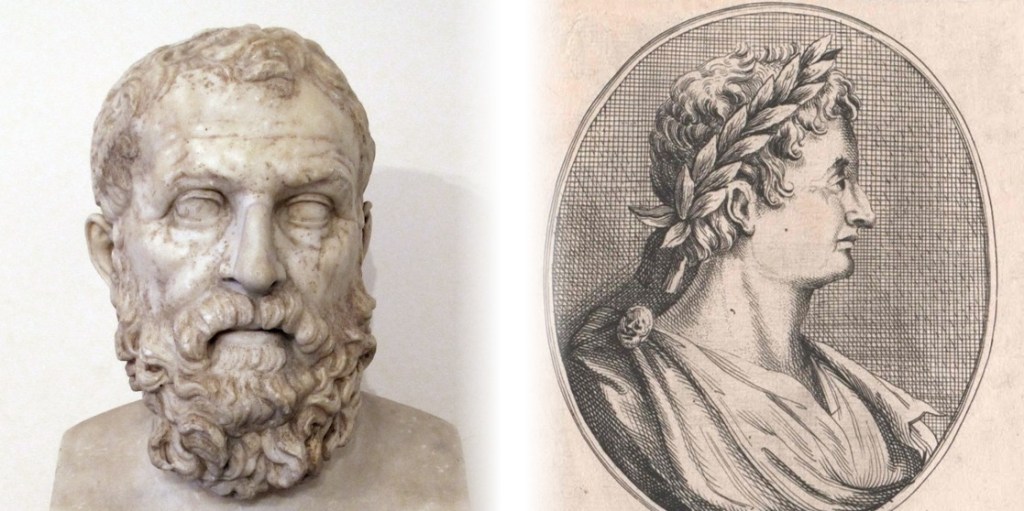
Like Lycurgus in Sparta and Numa in Rome, Solon and Poplicola tried to bring unity to their cities.
Solon was an Athenian speaker and thinker whose ideas his fellow citizens often welcomed in the Forum. He helped arbitrate several disputes in the period following the time of Thesus but before the death of Pisistratus the tyrant (so roughly 600 BC). Most importantly, after an attempt by Cylon and his supporters to seize power and overthrow the democracy, the citizens of Athens voted Solon to the archonship and asked him to get the city in order. There were even calls for Solon to make himself tyrant, but he refused, arguing the democracy was too precious for that type of expedient and that once a man had that type of power, they did not want to give it up.
Solon centered his first actions on economic reform. Athens had a vast disparity in income between the wealthiest and the poorest. Solon tried to ameliorate this with a system of debt forgiveness and interest rate reforms. There was minor redistribution of land but nothing on the scale Lycurgus had done in Sparta. The poorest of the Athenians were at first upset about this but Plutarch tells us that Solon calmed them down by explaining how, essentially, the Athenian market economy was different from Sparta’s strict agricultural economy. He also reformed the civil and criminal codes to make the law more equitable to all citizens and not just work for the very wealthy.
After his reforms were in place, he left, asking the Athenians to wait to change anything until he got back. The idea here seems to be that he was aware of how in democracies the whims of the people can change rapidly. So, his departure and asking for patience was a way to make them test drive the new legal systems and not reform anything too quickly. Solon left Athens, famously meeting the king of Lydia, Croesus, known for his wealth. He eventually returned to Athens and protested the tyrant Pisistratus, to no avail, before dying.
Publius Valerius, later given the name Poplicola by the people of Rome, was a Roman politician who had helped Brutus (the OG, not the one of Julius Caesar fame) run out the tyrant Tarquin from Rome.
Despite the older Tarquin’s exile in the Tuscan countryside, his family continued to cause trouble in Rome. Elected consul along with Brutus, the younger Tarquin planned to overthrow the republic, but an enslaved man discovered Tarquin’s plot and the quick thinking of Poplicola foiled it. However, Brutus died in battle with the younger Tarquin.
This left Poplicola as the most prominent politician in Rome at that time. As consul, Poplicola implemented economic and legal reforms that the Tarquins had taken advantage up to aid calls for a tyrant. Like Solon before him, Poplicola believed that large disparities in wealth and legal outcomes between rich and poor degraded social cohesion. This degradation was a problem for more democratic forms of government because they were the ammunition an aspiring tyrant could use against the establishment, and it delegitimized the credibility of the existing government. If “the people” did not feel represented, they would seek out a strongman to protect them from the oligarchic wealthy.
The people of Rome elected Poplicola to the consulship multiple times and he led the defense of Rome against several other Tarquin-inspired attacks from the Tuscans, Sabines, and Latins. What is interesting about these fights is the frequent use of ambushes and actions by decentralized maneuver elements. This is quite different from the Greek warfare of Thucydides or even the later actions recounted by Xenophon.
If you’re interested in the final discussion of the book, check out my Substack.
 The History Doctor
Leave a comment